
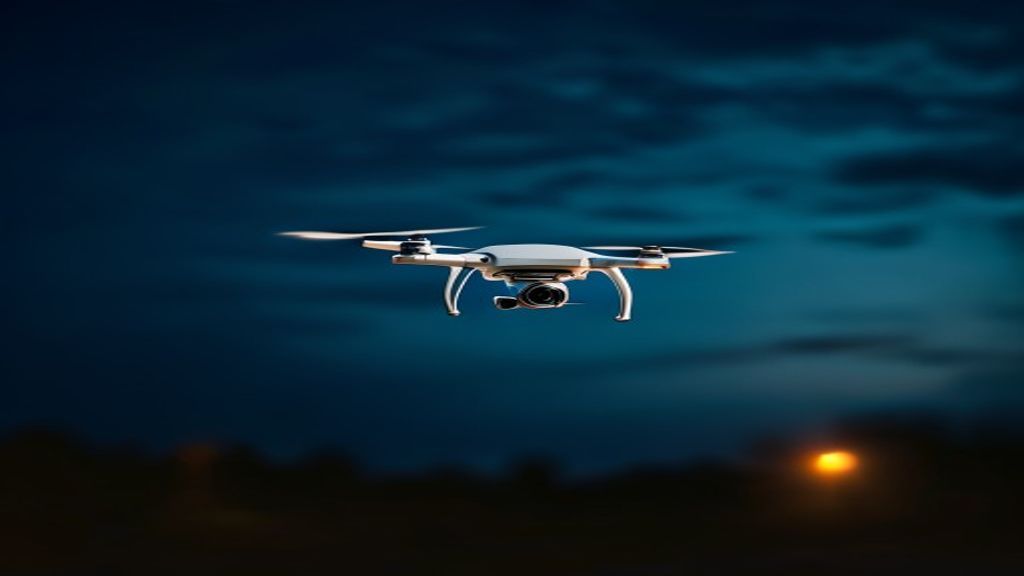
DJI’s Mini lineup sits at the intersection of portability and capability. The Mini 5 Pro represents DJI’s latest generation of sub-250g drones, but the Mini 3 remains in production at a lower price. Is the Mini 5 Pro worth the premium or should you save money with the Mini 3? Here is the complete comparison for 2026.
The Key Difference: Sensor Size
The Mini 5 Pro features a 1-inch CMOS sensor, matching the sensor size of DJI’s professional Mavic series from a few generations ago. The Mini 3 uses a 1/1.3-inch sensor — significantly smaller. This translates to substantially better low-light performance and dynamic range on the Mini 5 Pro.
In practical terms: if you fly at golden hour, indoors, or in shade, the Mini 5 Pro footage will be noticeably cleaner with less noise and better shadow detail.
Camera Performance
The Mini 5 Pro records in 5.1K/30fps or 4K/60fps with a 3-axis gimbal. The Mini 3 maxes out at 4K/30fps. Both can capture 48MP stills, but the Mini 5 Pro’s larger sensor produces significantly better stills in challenging lighting.
The Mini 5 Pro also includes DJI’s latest color profiles including D-Log M, which provides more latitude in post-processing. The Mini 3 does not have a Log profile option.
Flight Performance
The Mini 5 Pro has a 45-minute flight time (versus 38 minutes on the Mini 3), O4 transmission system with 20km range (versus O3 at 12km), and omnidirectional obstacle sensing. The Mini 3 has forward and downward sensing only.
The additional obstacle sensing on the Mini 5 Pro matters significantly for beginners flying in complex environments. The O4 transmission also provides a meaningful improvement in reliability in areas with interference.
The Verdict
The Mini 5 Pro is worth the upgrade if you: fly in low light regularly, need the extra range for coastal or mountainous flying, or want the best possible footage quality in a portable package. The Mini 3 remains an excellent choice for casual flyers who primarily fly in good lighting and do not need professional-grade footage.
Price difference in 2026: approximately $400-500. That premium buys you significantly better low-light performance, longer battery life, O4 transmission, and omnidirectional sensing.
Related DJI Buying Guides
Related guides on dronesera.com: DJI Mavic 4 Pro review, best drone for real estate, and drone mapping software roundup.