

If you fly a drone for fun in the United States, the FAA TRUST certificate is not optional. It is mandatory under federal law (49 U.S.C. § 44809) for every recreational drone pilot. This guide explains exactly what TRUST is, who needs it, what it covers, and the corrected facts that matter for 2026.

What Is the FAA TRUST Certificate?
TRUST stands for The Recreational UAS Safety Test. It is a free, online safety and knowledge test developed by the FAA for recreational drone pilots. It is NOT the same thing as a Part 107 commercial license, and it is NOT a pilot certificate in the traditional aviation sense. It is a one-time safety awareness module that proves you understand the basics of flying near other aircraft, in controlled airspace, and around people.
The test is open-book, untimed, and you cannot fail it. You work through the safety material, answer multiple-choice questions, and if you get any wrong, the system lets you correct them to 100% before issuing your completion certificate. Most pilots finish in 20 to 45 minutes.
Key facts about TRUST
- Cost: Free, always.
- Format: Online course + interactive questions through FAA-approved test administrators.
- Expiration: None. The certificate never expires. You take it once and keep it for life.
- Availability: Through FAA-approved providers (Pilot Institute, DroneU, UAV Coach, DroneTrust, Academy of Model Aeronautics, and others).
- Topics covered: Airspace classification, altitude limits, LAANC authorization, B4UFLY app, controlled vs uncontrolled airspace, registration rules, and safety practices.
- Proof required: You must carry the completion certificate (digital or printed) whenever you fly and present it to law enforcement or FAA personnel upon request.
The 9 §44809 Conditions — Every Recreational Flight Must Satisfy All of These
Recreational pilots fly under the Exception for Limited Recreational Operations (49 U.S.C. § 44809). The TRUST certificate proves you passed the safety test. It does NOT, by itself, make a flight legal. To stay under the exception, every one of these nine conditions must be true for your flight:
- Purpose: The operation is strictly for recreation and personal enjoyment.
- Safety code: The flight follows the safety guidelines of an FAA-recognized Community-Based Organization (CBO), like the AMA.
- Visual contact: The pilot or a co-located visual observer in direct communication keeps the aircraft within visual line of sight (VLOS).
- Right of way: The drone gives way to and does not interfere with any crewed (manned) aircraft.
- Controlled airspace: Prior FAA authorization is obtained (typically via LAANC), and the flight stays within the authorized altitude and area.
- Class G altitude: The aircraft stays at or below 400 feet above ground level (AGL) in uncontrolled airspace.
- Proof: The pilot carries TRUST proof, plus registration proof when registration is required.
- Aircraft identity: Required registration is current, marked on the exterior of the aircraft, and paired with a valid Remote ID broadcast path unless an exception applies.
- Safety: The operation does not endanger the safety of the national airspace system.
Miss one condition, and your flight falls under Part 107 instead of §44809 — which means you need a Part 107 Remote Pilot Certificate.

Who Needs TRUST?
You must pass TRUST if you:
- Fly a drone purely for recreation or as a hobby.
- Are a member of a Community-Based Organization (CBO) flying under their safety guidelines.
- Operate any unmanned aircraft (even sub-250g) as a recreational pilot.
- Are a minor — parents or guardians should ensure their children complete the test before flying.
Who does NOT need TRUST to fly under Part 107:
- Part 107 Remote Pilot Certificate holders flying commercially. They operate under Part 107, not §44809.
Important — what if you have Part 107 but want to fly recreationally?
Part 107 pilots have a choice. A certificated remote pilot can fly for fun under Part 107 rules. To use the separate §44809 recreational exception, the FAA requires that pilot to also pass TRUST. In practice, most Part 107 holders either fly under Part 107 for everything or take TRUST once for the convenience of flying under the recreational exception.
Airspace — The Part Most Pilots Get Wrong
There are six categories of controlled and uncontrolled airspace in the United States, designated A through G:
- Class A: 18,000 ft and above. Closed to all drone operations.
- Class B: Busy airspace around major airports (e.g., KJFK, KLAX). Requires ATC authorization.
- Class C: Around airports with control towers and radar. Requires ATC authorization.
- Class D: Around airports with control towers. Requires ATC authorization.
- Class E: Controlled airspace that is not A, B, C, or D. Most often encountered near airports.
- Class G: Uncontrolled airspace. Drones can fly up to 400 ft AGL without authorization.
For recreational drone pilots, the practical rule is: fly in Class G airspace below 400 ft AGL, or get LAANC authorization before flying in B, C, D, or E surface areas.
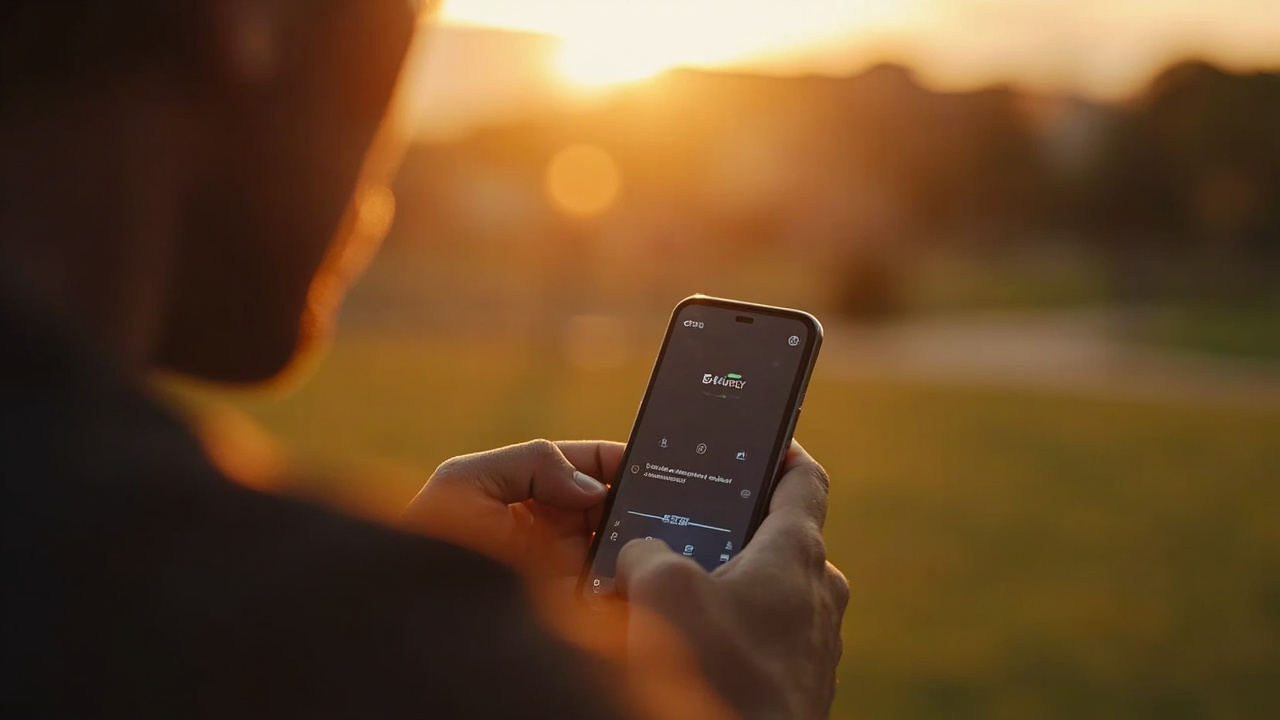
LAANC (Low Altitude Authorization and Notification Capability) provides near-real-time automatic authorization for drone operations in controlled airspace under 400 ft AGL. Apps like B4UFLY, AirMap, and KittyHawk show LAANC-approved zones in green and required-authorization zones in yellow.
How to Get Your TRUST Certificate (Step-by-Step)
- Go to the FAA’s official recreational flyers page and find the list of approved TRUST test administrators at faa.gov/uas/recreational_flyers.
- Choose any provider on the current list. Every approved administrator offers the same FAA-developed content online at no cost.
- Create a free account with your email.
- Complete the interactive safety instruction module at your own pace.
- Answer the multiple-choice questions. The system will let you correct wrong answers until you reach 100%.
- Download and save your certificate immediately. The system does not always email it reliably, and test administrators retain no certificate record.
- Store a digital copy on your phone’s photo library and email a backup to yourself.
- Carry the certificate every time you fly recreationally, alongside your FAA registration proof.
If you lose your certificate: The FAA directs you to retake TRUST because administrators do not retain certificate records. It is free and quick to redo.
FAA Registration — What Drones Need It
- Recreational drones weighing 0.55 lb (250 g) or more must be registered with the FAA.
- Registration costs $5 and is valid for 3 years.
- Recreational pilots register once — the same registration number covers all of your recreational drones.
- Register at faadronezone.faa.gov.
- The registration number must be marked on the exterior of the aircraft in a way that does not require tools to access.
- Sub-250g recreational drones do not require registration, but they still require TRUST.
Remote ID — Compliance Deadline
Remote ID is a digital license plate broadcast by your drone. The FAA’s Remote ID compliance deadline was September 16, 2023. Any drone required to be registered must broadcast Remote ID information when operating outdoors.
Three compliance paths exist:
- Standard Remote ID built-in: Most drones manufactured after the deadline (DJI Mavic 3, DJI Air 3, Mini 4 Pro, Autel EVO II, Skydio 2+, etc.) have it built in.
- Broadcast module: An aftermarket device attached to older drones.
- FRIA (FAA-Recognized Identification Area): A designated physical location, typically an AMA club field, where Remote ID is not required.
Operations Over People and Night Flying
- Operations Over People: Recreational pilots cannot fly over people who are not participating in the operation. Part 107 pilots have more flexibility through Categories 1-4 but recreational flyers do not.
- Night operations: Allowed under §44809 if the drone has anti-collision lighting visible for at least 3 statute miles.
- Maximum altitude: 400 ft AGL in Class G uncontrolled airspace.
- Visual line of sight (VLOS): Required at all times. A co-located visual observer (someone standing next to you in direct communication) can satisfy this rule for FPV pilots.
- Give way to manned aircraft: Always.
TRUST vs Part 107 — Which Do You Actually Need?
Many pilots confuse TRUST and Part 107. They are entirely different credentials for different types of pilots:
TRUST is for recreational flyers (hobby, personal enjoyment, no compensation of any kind). Free, online, self-paced, no expiration, never expires.
Part 107 Remote Pilot Certificate is for commercial or business pilots. Costs approximately $175 for the FAA Aeronautical Knowledge Test, is administered at FAA-approved testing centers, requires a passing score of 70% on a 60-question multiple-choice exam, and requires recurrent online training every 24 months.
The single test is whether the flight touches a business purpose — not whether you charge directly. The FAA interprets commercial intent broadly. Volunteer work for a nonprofit, a real estate agent photographing their own listings, a farmer surveying their own fields, a YouTuber with monetized drone content — all of these are commercial operations and require Part 107.
Part 107 holders who occasionally fly for personal fun can either fly under Part 107 rules for that flight, or take TRUST once and fly under the §44809 exception when it suits them.
2026 Compliance Checklist
- TRUST completed and certificate saved (printed + digital copy)
- Drone registered with FAA at faadronezone.faa.gov ($5/3 years) if over 250g
- Registration number marked on exterior of aircraft
- Remote ID broadcasting (built-in, broadcast module, or within FRIA)
- Airspace checked via B4UFLY or LAANC before flight
- Visual line of sight maintained (or co-located visual observer for FPV)
- Flight below 400 ft AGL in Class G airspace, or with LAANC authorization
- Anti-collision lighting installed if flying at night
- No operations over non-participating people
- Yielding to all manned aircraft
Penalties for Non-Compliance
The FAA can issue civil penalties up to $27,500 per violation for flying without proper credentials, registration, or Remote ID. Criminal penalties can reach $250,000 fine and up to 3 years imprisonment. In practice, enforcement usually starts with warnings, but the legal exposure is real — particularly if your drone is involved in an incident.
Related TRUST Resources
Related guides on dronesera.com: full FAA TRUST Test walkthrough, drone flight school guide, and BVLOS rules framework.
Last updated: 2026-09-25. Sourced from FAA.gov, 14 CFR Part 89 (Remote ID), 49 U.S.C. § 44809, and current FAA-approved TRUST test administrator guidance. This article is informational and not legal advice. Verify requirements directly at faa.gov/uas before flying.