
FPV Drones vs Camera Drones: Which Type Is Actually Right for You
When you’re ready to get into drones, the first big fork in the road is choosing between an FPV drone and a camera drone. Both fly. Both capture footage. But the experience, the skill curve, and what you get out of the hobby are radically different. If you’re wondering which one is actually better for you as a beginner, the answer depends almost entirely on what you want from the experience.
Bottom Line Up Front (BLUF): Camera drones are the better starting point for most beginners because they fly themselves, require minimal practice, and produce polished footage almost immediately. FPV drones are the right choice only if you want the full pilot experience, don’t mind crashing while you learn, and are drawn to freestyle or racing disciplines. Read on to understand exactly what separates the two and which category matches your goals.
What Is a Camera Drone?
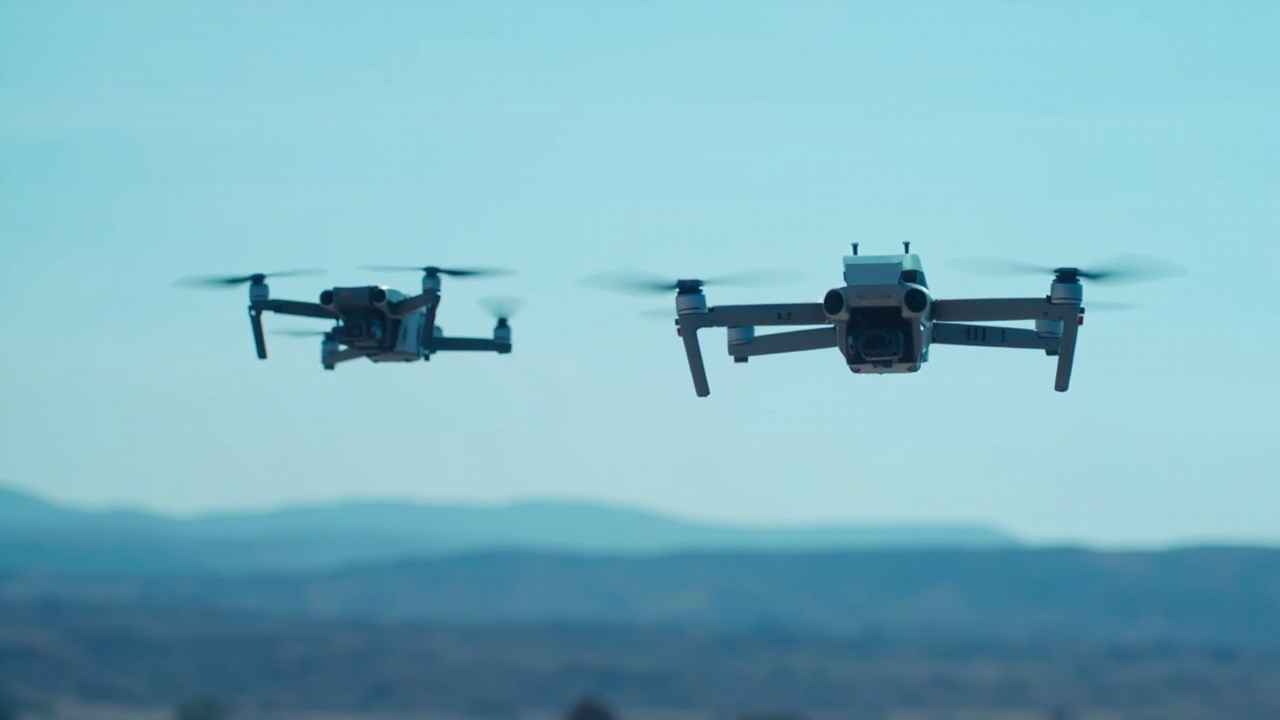
A camera drone — sometimes called a prosumer or consumer drone — is designed to carry a stabilized camera and handle most of the flight work for you. Think DJI Mini, DJI Air, or Autel EVO series. These machines use GPS, optical sensors, and sophisticated flight controllers to hold position, avoid obstacles, and execute pre-programmed shots like orbit, waypoint navigation, and follow-me modes.
The camera sits on a gimbal that actively stabilizes the image even when the drone is buffeted by wind. You control where the drone goes; the onboard software handles the rest. Most camera drones come with a dedicated controller and a smartphone or tablet app that shows you a live feed from the camera.
Key characteristics of camera drones:
- GPS-stabilized hover and auto-return-home
- Obstacle avoidance sensors
- Automated flight modes (ActiveTrack, Orbit, Waypoints)
- Stabilized 4K camera on a 3-axis gimbal
- Ready to fly straight out of the box
- Higher cost for capable models
What Is an FPV Drone?
FPV stands for First Person View. An FPV drone puts a camera on the front of the aircraft and streams live video to goggles or a monitor worn by the pilot. You don’t watch the drone — you see through its eyes. That single shift changes everything about the experience.
FPV drones are typically built by the user from individual components: frame, flight controller, motors, ESCs, video transmitter, and camera. Some ready-to-fly FPV kits exist, but customization is the norm. There is no GPS hold, no obstacle avoidance, and no automated flight mode. You are the autopilot.
FPV drones fall into a few subcategories that matter for beginners:
- Whoop-class micro drones — small, durable, indoor-friendly, and relatively cheap to replace after crashes.
- Cinematic 5-inch FPV — larger quads built for smooth freestyle or cinematic footage, typically more expensive to build and repair.
- Racing quads — built for speed and agility, with lightweight frames and high-performance components.
How the Flying Experience Differs
This is where the comparison stops being abstract. Camera drones and FPV drones are two completely different hobbies wearing the same label.
With a camera drone, flying feels like commanding a flying camera. You focus on composition and framing. The drone handles stability. You tap a button to launch, tap another to land, and the machine hovers in place while you adjust your shot. Most users capture usable, impressive footage within the first 30 minutes of flight.
With an FPV drone, flying is the sport. You are manually controlling altitude, throttle, roll, pitch, and yaw all at once. The drone responds instantly to your inputs and behaves like an aircraft with no safety net. GPS hold doesn’t exist on most builds, so wind will push you around. Crashes are expected — they’re part of the learning process. The reward is not polished footage; it’s the sensation of flight itself.
This distinction matters more than any spec sheet comparison. Ask yourself honestly: do you want to fly, or do you want to capture footage? That question narrows the field fast.
Camera Quality: A Real Comparison
Camera drones typically win on image quality for the price. A DJI Air 3 or Mini 4 Pro shoots 4K at 60fps on a stabilized gimbal with log color profiles ready for grading. You get usable, professional-looking footage on day one.
FPV cameras are optimized for low latency, not dynamic range. A standard FPV camera like the RunCam Phoenix or CADDX Vista transmits a crisp analog signal to your goggles but struggles in high-contrast lighting. Cinematic FPV builds use digital systems like HDZero or Walksnail, which improve image quality significantly but add cost and weight.
If your primary goal is cinematic 4K footage with minimal post-processing, a camera drone leaves FPV in the dust. If you want immersive flight footage with a "living through the drone" perspective, FPV delivers a look that camera drones cannot replicate — but it requires significantly more effort to capture well.
Cost Breakdown for Beginners
Camera drones have a clear pricing hierarchy:
- Mini-class (DJI Mini 4K): $300–$500
- Mid-range (DJI Air 3): $700–$1,000
- Flagship (DJI Mavic 3 Pro): $1,500–$2,200
You pay once, fly confidently, and repair costs are generally low unless you crash hard.
FPV costs are harder to pin down because they scale with ambition:
- Whoop kit with goggles: $200–$400
- Entry-level 5-inch freestyle build: $400–$700
- Cinematic FPV with digital HD system: $800–$1,500
- Ongoing crash damage, replacement parts, and motor swaps
The hidden cost of FPV is replacement. A serious beginner in r/fpvbegnnier threads can expect to crash their first few quads multiple times before flight feel clicks. Budget for parts accordingly. Most community veterans recommend buying spare frames, motors, and propellers in bulk when starting out.
The Learning Curve
Camera drones: near-zero learning curve. The machine is designed to be approachable. You can be capturing shareable content within an hour of opening the box. The limiting factor is creative skill with framing and lighting — not flight ability.
FPV drones: steep learning curve. Expect to crash your first 10 flights minimum. The physical sensation of flying through goggles takes time to adjust to, and manual control of throttle and attitude requires building muscle memory. Most pilots in r/multicopter and r/fpvbeginner report feeling comfortable in the goggles after 2–4 weeks of regular practice. Before that window, flights are short, recovery is frequent, and parts wear fast.
If your tolerance for frustration during the learning phase is low, FPV will test it. If you embrace the process and view crashes as tuition, the payoff in skill and flight sensation is substantial.
Which Should You Choose as a Beginner?
Choose a camera drone if:
- Your primary goal is aerial photography or videography
- You want usable footage with minimal setup and post-processing
- You prefer a machine that handles its own stability
- You want to fly casually without constant repair bills
- You value obstacle avoidance and failsafe features
Choose an FPV drone if:
- You want to feel what it’s like to actually pilot an aircraft
- You are interested in freestyle, racing, or immersive flight footage
- You enjoy building, tweaking, and customizing your gear
- You are comfortable with crashes as part of the learning process
- You want a community-driven hobby with deep customization potential
Many experienced pilots eventually own both — a camera drone for professional or casual shoots and an FPV quad for the pure joy of flight. That path is entirely valid. But as a starting point, match the drone type to your core motivation, not to what looks most exciting on video.
The best drone for you is the one that aligns with what you actually want from the experience. Camera drones remove the friction and deliver immediate results. FPV drones remove the safety net and deliver an unmatched connection to flight. Know the difference, choose honestly, and you’ll get more out of whichever path you take.
Related guides
Build a Micro FPV Drone for $59 – Beginners Guide (2026) – YouTube
2026 Collegiate Drone Racing Championship – YouTube
FPV Drones vs Camera Drones: Which Type Is Actually Right for You
