
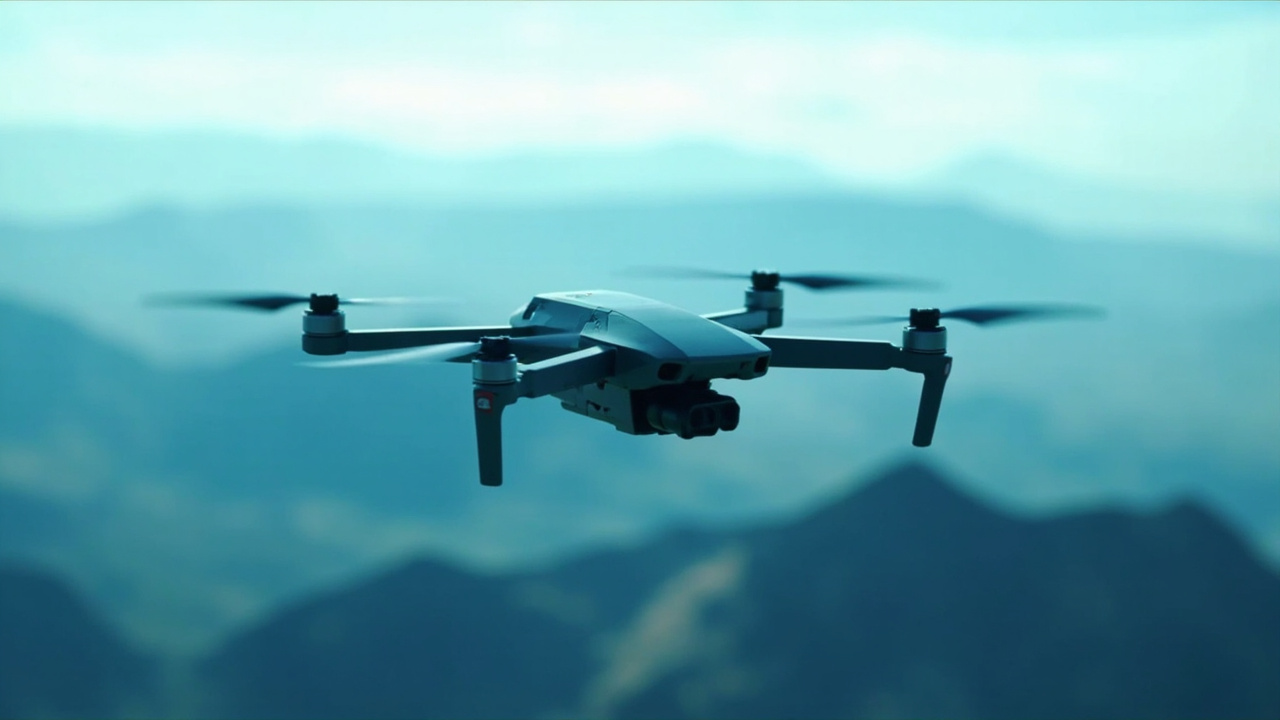
Meta Description: Discover proven extend drone battery life tips to increase flight time. These 7 practical strategies help pilots maximize every charge for longer, safer flights.
Bottom Line Up Front: You can significantly extend drone battery life and increase flight time by managing flight conditions, optimizing piloting techniques, and maintaining batteries properly. The following seven tips deliver measurable results without requiring expensive upgrades.
Why Battery Life Matters for Every Pilot
Battery capacity remains the single biggest limitation for drone pilots. Whether you’re mapping a job site, capturing cinematic footage, or racing through the forest, running low on battery cuts your session short and can lead to dangerous situations. Understanding how to maximize your drone’s energy reserves transforms a 20-minute flight into a 25-minute one—or even longer with consistent practice.
The good news: you don’t need to buy new batteries or upgrade your hardware. Smart flying habits and proper maintenance deliver immediate improvements.
7 Proven Tips to Extend Drone Battery Life
H2: 1. Fly in Optimal Weather Conditions
Weather impacts drone battery consumption more dramatically than most pilots realize.
Extreme temperatures degrade lithium-polymer cells. Flight performance suffers when temperatures drop below 50°F (10°C) or climb above 104°F (40°C). Cold weather thickens battery chemistry, reducing available capacity and increasing voltage sag during high-demand maneuvers. Hot conditions accelerate cell degradation and trigger thermal throttling.
Best practices:
- Fly during moderate temperatures (59–77°F / 15–25°C)
- Store batteries at room temperature before flights
- Avoid direct sunlight on batteries during breaks
- Launch with batteries at optimal temperature (some DJI drones pre-warm batteries automatically)
High winds force your drone to work harder maintaining position. Gusty conditions can drain batteries 20-30% faster than calm days. Check wind forecasts and plan flights accordingly.
H3: How Wind Affects Power Consumption
Headwinds require additional thrust to maintain forward momentum. Crosswinds demand constant correction. Even hovering in windy conditions consumes significantly more power than hovering in still air. When possible, position yourself so the wind blows at your back during forward flight, minimizing resistance.
H2: 2. Reduce Total Payload
Every gram your drone carries requires additional power to lift.
Accessories add up quickly: external lights, parachute systems, larger propellers, external cameras—these all increase power draw. Manufacturers specify maximum takeoff weights for good reason. Exceeding recommended weights forces motors to spin faster, drawing more current from the battery.
Weight reduction strategies:
- Remove unnecessary accessories before flying
- Choose lightweight mounting solutions
- Limit cargo/fpayload to essentials
- Consider smaller accessories that serve the same purpose
If you must carry additional gear, compensate by reducing flight time expectations and landing with sufficient reserve power.
H2: 3. Optimize Your Flying Technique
Aggressive maneuvers drain battery faster than smooth, controlled flight.
Hard accelerations, rapid climbs, and aggressive banking all demand peak power output. While exciting, these maneuvers stress batteries and reduce overall flight time. Professional cinematographers learned this years ago—the graceful, sweeping shots they capture require less power than quick direction changes.
Technique improvements:
- Use gentle, gradual inputs rather than sudden stick movements
- Maintain consistent altitude when possible instead of climbing and descending repeatedly
- Plan flight paths to minimize turns against the wind
- Use gentle brake inputs when returning home
- Avoid flying in sport mode unless necessary (this disables obstacle avoidance and increases power consumption)
Your drone’s accelerometers detect sudden movements and command additional power. Smoother flying translates directly to longer airtime.
H3: The Return-to-Home Altitude Sweet Spot
Flying too high creates unnecessary drag and power consumption. Flying too low risks obstacles. Find the minimum safe altitude for your environment and maintain it. Each additional meter of altitude adds marginal but cumulative power cost over a full flight.
H2: 4. Use Intelligent Flight Modes Strategically
Autonomous flight modes can improve or harm battery efficiency depending on how you use them.
Features like ActiveTrack, Point of Interest, and Waypoint Missions automate flight paths. When configured correctly, these modes often fly more efficiently than manual control because they calculate optimal paths and maintain consistent speeds. However, poorly configured modes that cause the drone to hover, circle excessively, or fight against wind will drain power faster.
Smart usage:
- Pre-plan waypoints to avoid inefficient routing
- Set appropriate speeds within autonomous modes (faster isn’t always better for battery)
- Use orbit modes at efficient altitudes
- Monitor autonomous flights closely to intervene if the drone behaves inefficiently
Many pilots report increased flight times after switching from manual flight to well-configured autonomous missions.
H2: 5. Practice Proper Battery Storage and Care
Battery maintenance extends effective capacity over time.
Lithium-polymer batteries self-discharge slowly even when not in use. Storing them fully charged accelerates degradation. Conversely, storing them completely depleted causes permanent capacity loss. Most manufacturers recommend storing at 40-60% charge in cool, dry environments.
Storage best practices:
- Charge to approximately 50-60% for long-term storage (one week or more)
- Store at temperatures between 59-77°F (15-25°C)
- Use dedicated battery storage bags for fire safety
- Inspect batteries regularly for physical damage, swelling, or connector issues
- Avoid storing batteries in vehicles, especially during winter or summer extremes
Batteries typically deliver 300-500 full charge cycles before significant capacity loss. Proper storage habits help you reach the higher end of that range.
H3: Recognizing Battery Degradation
Watch for these warning signs: noticeably shorter flight times than when the battery was new, unexpected shutdowns at higher charge levels, physical swelling, or batteries that won’t charge to 100%. Degraded batteries should be replaced rather than risked in flight.
H2: 6. Prepare Batteries Before Each Flight
Cold-starting drones with cold batteries wastes energy as the system heats cells internally.
Pre-conditioning prepares battery cells for optimal performance. Many modern drones with intelligent batteries automatically warm cells before flight when activated near the aircraft. This process uses battery power, but far less than attempting to fly with cold, sluggish cells.
Pre-flight preparation:
- Bring batteries inside 30-60 minutes before flying in cold weather
- Insert batteries into the drone and let the pre-warm cycle complete
- For critical flights, keep spare batteries in an inside pocket to maintain temperature
- Never use a heat source to artificially warm batteries (risk of thermal damage)
Properly prepared batteries deliver consistent performance and protect cells from shock damage.
H2: 7. Keep Firmware and Batteries Updated
Manufacturers release firmware updates that optimize power management algorithms.
Updates may improve battery efficiency, add new power-saving features, or fix bugs that caused excessive drain. Similarly, battery firmware updates (in intelligent batteries) calibrate capacity readings and optimize charging parameters.
Update protocol:
- Check for firmware updates before important flights
- Update during non-critical times since updates sometimes reset settings
- Keep your DJI Fly app or manufacturer software current
- Update battery firmware when prompted (this requires installing the battery and connecting to the app)
Always update firmware when stable releases are available. Beta firmware, however, can introduce unexpected power consumption—avoid beta versions unless you’re testing specifically for that purpose.
Key Takeaways
- Weather matters: Moderate temperatures and calm winds significantly improve efficiency
- Payload counts: Remove unnecessary gear to reduce power demands
- Smooth flying wins: Gentle inputs preserve energy better than aggressive maneuvers
- Autonomous modes help: Well-configured automatic flights often out-perform manual flight for efficiency
- Store properly: 40-60% charge in moderate temperatures extends battery lifespan
- Pre-warm batteries: Cold cells perform poorly and draw more power
- Stay updated: Firmware optimizations directly impact battery efficiency
Final Thoughts
Extending drone battery life comes down to understanding the factors that drain power and adjusting your habits accordingly. No single tip delivers dramatic results on its own, but stacking these practices creates noticeable improvements. Pilots who adopt this holistic approach regularly report 15
Related guides
Drone Flight School: Best Training Programs 2026
