
BLUF (Bottom Line Up Front)
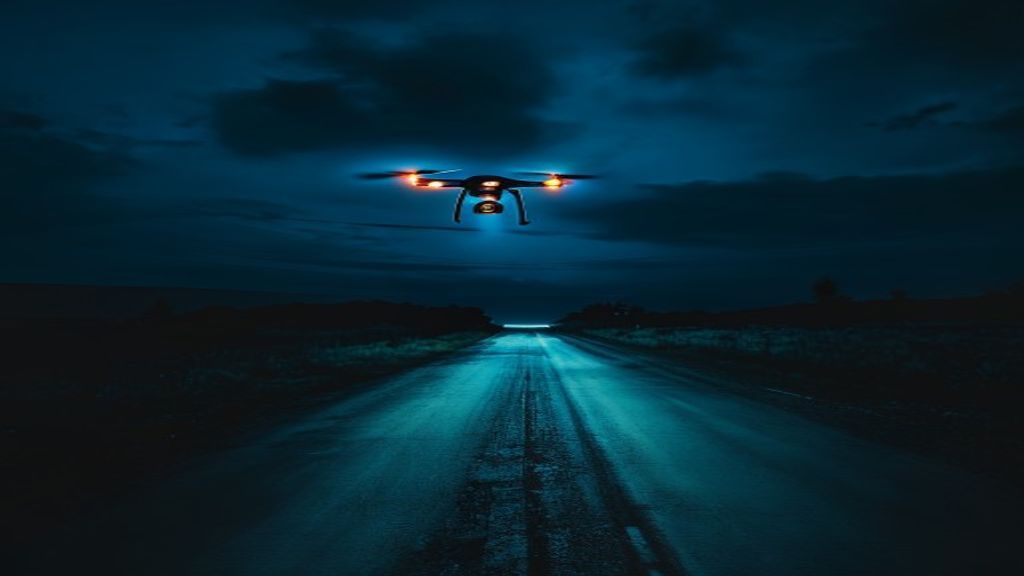
Yes, you can legally fly drones at night in most jurisdictions—but you must follow specific requirements. The key takeaway: Night drone operations require anti-collision lighting visible for 3 statute miles, proper FAA registration if over 0.55 lbs, and adherence to airspace restrictions. Beyond those basics, preparation and situational awareness make the difference between a successful night flight and a regulatory violation.
Flying drones at night opens up incredible creative and practical possibilities—cinematic videography, inspections after dark, search and rescue operations. Understanding the flying drones at night regulations and requirements for 2026 ensures you stay legal while maximizing those opportunities.
Why Night Flying Regulations Exist
Night operations present unique challenges that regulators address. Visibility decreases dramatically, making it harder to see other aircraft, obstacles, and maintain orientation. These regulations exist to protect both drone operators and manned aviation sharing the airspace.
The Core Requirements for Night Drone Operations in 2026
Understanding these fundamental requirements keeps you compliant:
- Anti-collision lighting: Your drone must have lights visible for at least 3 statute miles
- Registration compliance: Drones weighing over 250 grams (0.55 lbs) must be registered with the FAA
- Airspace awareness: Night doesn’t change controlled airspace rules—you still need authorization where required
- Visual line of sight (VLOS): Maintain visual contact with your drone throughout flight
- Remote ID compliance: Most recreational and commercial drones must broadcast identification
Anti-Collision Lighting: Your Most Critical Equipment
The lighting requirement exists because it’s your primary tool for collision avoidance at night. Your options include:
- Built-in drone lights: Many modern drones come equipped
- External LED attachments: Clips or straps add visibility to any aircraft
- Strobe lights: Most effective for long-distance visibility
- Navigation lights: Red/green positioning lights help orientation
Pro tip: Test your lighting setup before every night flight. A dead battery on your anti-collision lights creates an immediate compliance issue.
Weight Classes and Registration Requirements
Your drone’s weight determines registration status:
| Drone Weight | Registration Required | Night Restrictions |
|---|---|---|
| Under 250g | No | Standard rules apply |
| 250g – 55lbs | Yes | Must display registration number |
| Over 55lbs | Yes | Special category—verify specific rules |
Registration through FAA DroneZone takes minutes and costs $5 for recreational flyers. Commercial operators face additional certification requirements.
Step-by-Step: How to Fly Legally at Night
Pre-Flight Checklist
- Register your drone if required—display the registration number externally
- Install and test anti-collision lights—verify visibility in ambient conditions similar to your flight location
- Check NOTAMs and TFRs—temporary flight restrictions apply around the clock
- Verify Remote ID status—ensure compliance with broadcast requirements
- Scout your location—identify potential obstacles that become harder to see after dark
- Assess weather conditions—wind and visibility matter even more at night
During Flight Operations
- Maintain continuous visual contact with your aircraft
- Keep headlights and bright screens away from your vision
- Use your anti-collision lights to track orientation
- Monitor battery levels more conservatively—night flights consume more power
- Stay alert for manned aircraft—aircraft lights become primary indicators
Common Night Flying Mistakes to Avoid
Based on questions from the drone community, these errors appear frequently:
- Assuming night permission is automatic: Night operations are permitted, not prohibited—but you must still follow all standard rules
- Inadequate lighting: Lights visible at 50 feet don’t meet the 3-mile requirement
- Flying beyond visual line of sight: Night conditions make this especially dangerous and illegal
- Ignoring ambient light conditions: Full moon versus new moon dramatically changes visibility
- Neglecting battery reserves: Landing with 30% minimum provides safety margin
Practical Night Flying Tips
Equipment Recommendations
- Choose drones with integrated anti-collision systems when possible
- Carry spare batteries in insulated pouches—cold temperatures drain power faster
- Use a controller with backlit screen and adjustable brightness
- Consider FPV goggles with night vision capability for advanced operations
Environmental Considerations
Night flying reveals different challenges:
- Wildlife activity increases in many areas—be mindful of nesting sites
- Urban environments offer ambient light but create reflective surfaces
- Rural locations provide darkness that enhances visibility of your lights
- Temperature affects performance—cold reduces battery efficiency and motor performance
Photography and Videography at Night
Night operations unlock creative possibilities:
- Use longer exposure times for cinematic shots
- Increase ISO carefully to manage noise
- Plan flight paths around ambient light sources
- Consider light painting techniques using drone movement
Staying Current: Regulatory Updates for 2026
Regulations evolve, and night operations see ongoing attention. Key practices:
- Check FAA DroneZone periodically for announcements
- Monitor your state’s specific requirements—some localities have additional restrictions
- Review recreational flying rules annually
- If operating commercially, stay current on part 107 updates
Final Checklist Before Your Next Night Flight
Before launching, verify:
- [ ] Drone registered and number displayed
- [ ] Anti-collision lights operational and visible at distance
- [ ] Remote ID broadcasting
- [ ] Airspace authorization secured if needed
- [ ] Weather suitable for night operations
- [ ] Battery fully charged with reserves available
- [ ] Flight path scouted for unseen obstacles
- [ ] Emergency procedures reviewed
The bottom line: Night drone flying is legal and accessible when you respect the requirements. Anti-collision lighting, proper registration, airspace awareness, and solid pre-flight preparation form the foundation of safe, compliant night operations. Start with these basics, build experience progressively, and always prioritize safety over spectacular footage.
